
Landscaping Center Guide to Hardscaping Projects for Beginners
Understanding hardscaping is essential to transforming your outdoor space into a functional and aesthetically pleasing environment. According to Leads4Build, 90% of consumers read online reviews before hiring a landscaping service. This guide will introduce you to the fundamentals of hardscaping, focusing on beginner-friendly projects to enhance your landscaping efforts. Whether you're looking to create more functionality or just add beauty, hardscaping elements can transform your yard. By incorporating structures such as patios, walkways, and retaining walls, you can create outdoor areas that are not only beautiful but also practical. With the right approach and resources, including high-quality landscaping products, hardscaping can become a rewarding project for any homeowner.
Hardscaping: The Differences between Hardscaping and Softscaping
Hardscaping refers to the non-living elements of landscaping, such as stone pathways, wooden decks, and metal structures. It involves the use of materials like concrete, brick, stone, wood, and metal to create durable, permanent structures. These elements work in tandem with plants to enhance the layout and functionality of outdoor spaces. In contrast to softscaping, which deals with the natural, growing aspects of gardens, hardscaping focuses on the structural components. Both hardscaping and softscaping are integral to a balanced and appealing landscape design, often relying on complementary landscaping products to achieve a cohesive look.
Hardscaping vs. Softscaping
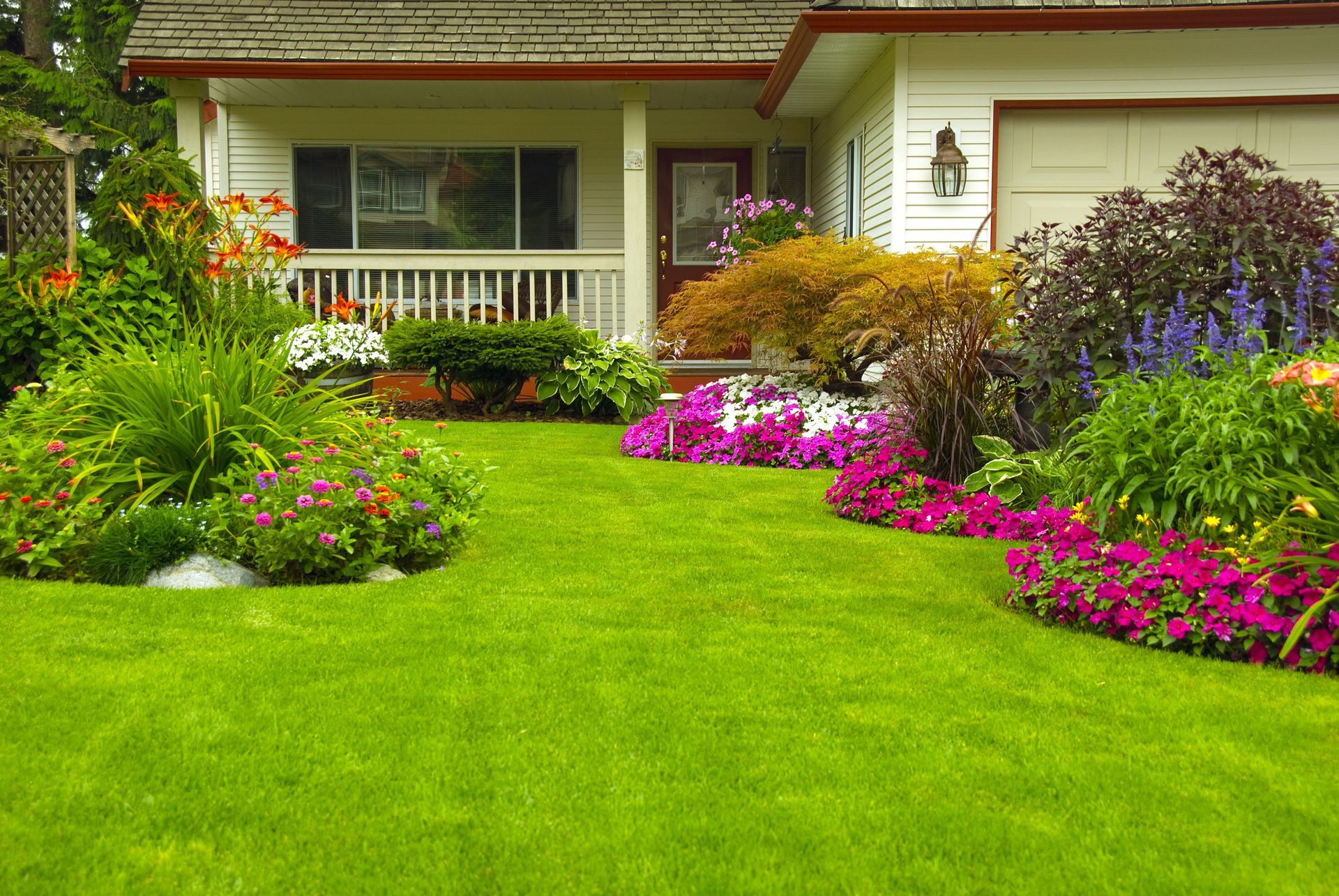
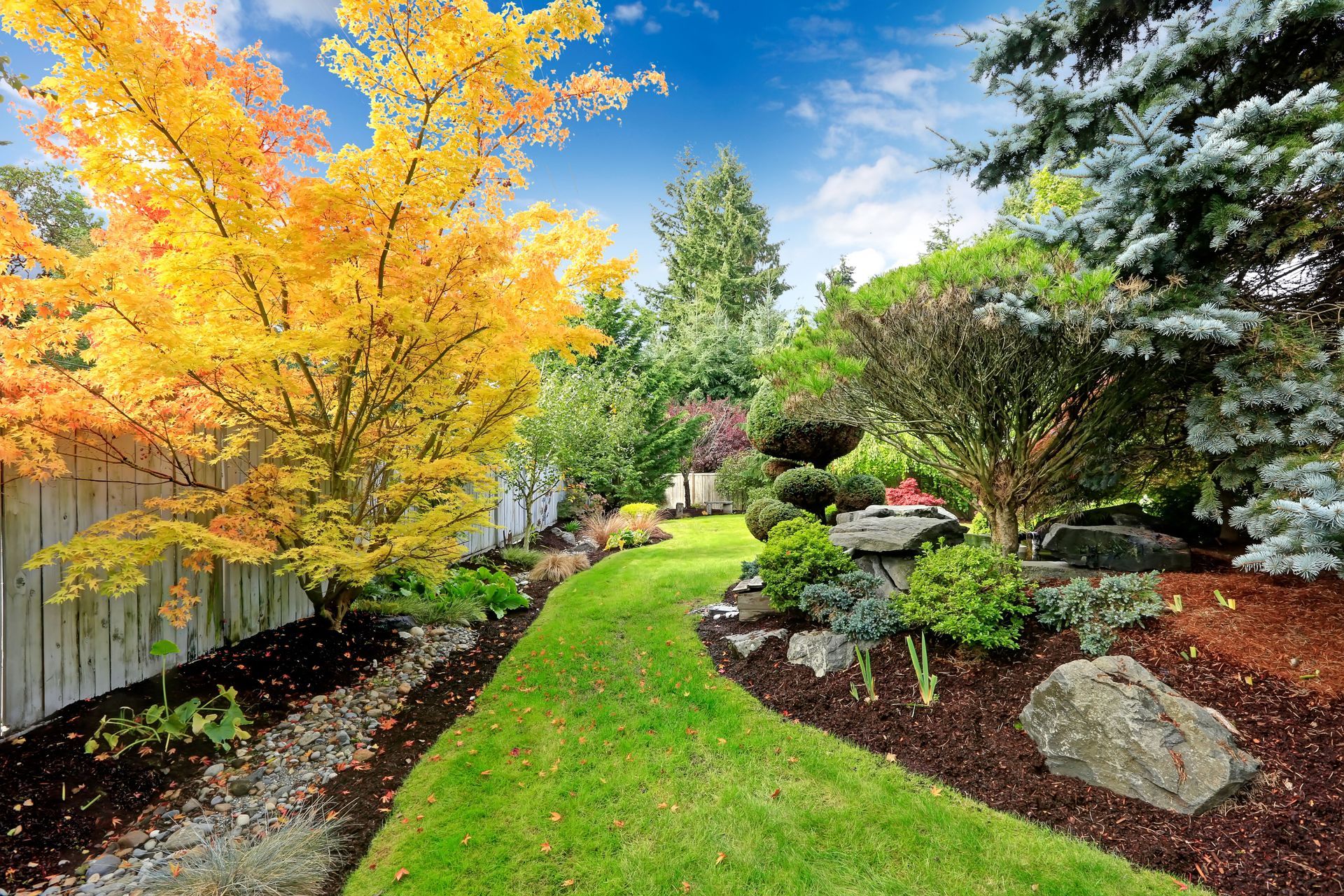
While hardscaping involves the structural framework of your garden, softscaping refers to the use of living elements such as plants and flowers. The two practices must work together to create a harmonious outdoor space. Hardscaping provides the foundation and boundaries, while softscaping adds color, texture, and life. The key is achieving a balance between the two to ensure functionality and aesthetic appeal. Proper planning can help you integrate these elements seamlessly into your outdoor design while selecting the right landscaping products to support both features.
Using the Most Common Materials
The choice of materials is crucial to a successful hardscaping project. Stone, concrete, brick, and wood are some of the most common materials due to their durability and aesthetic appeal. Each material has its pros and cons, depending on the climate, overall design, and personal preferences. For example, natural stone provides a timeless look, while concrete is highly versatile in terms of shapes and colors. Understanding how different landscaping products perform in various environments will help you make informed decisions for your projects.
Finding the Benefits of Hardscaping in Landscaping
Hardscaping offers numerous benefits, such as increasing the usability of outdoor spaces and enhancing the overall aesthetic. By incorporating hardscaping elements, you can define specific areas for various activities, such as dining or lounging. Additionally, hardscaping requires less maintenance than softscaping, as it doesn't involve irrigation or pruning. Moreover, well-executed hardscape projects can boost property value and curb appeal. Investing in durable landscaping products further enhances these advantages and supports long-term performance.
Understanding the Role of Hardscaping in Sustainable Design
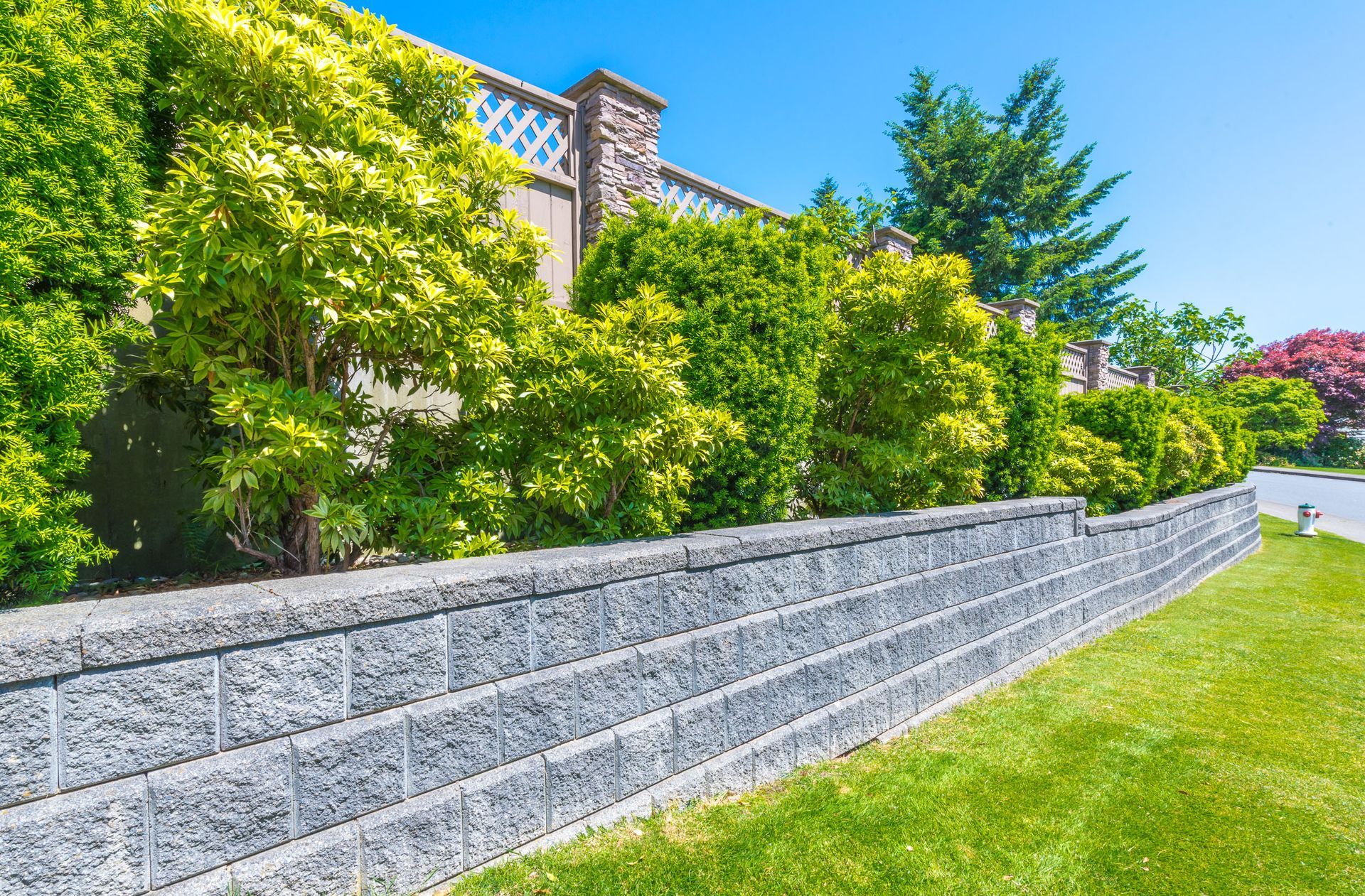
Incorporating hardscaping into your landscaping design can contribute to sustainability by reducing water usage and erosion. Materials like permeable pavers help manage stormwater runoff, thereby preventing soil erosion and water waste. Many homeowners are increasingly interested in sustainable design; therefore, integrating eco-friendly hardscaping materials and landscaping products can be beneficial. Furthermore, hardscape areas can act as reflective surfaces, potentially reducing the heat island effect in urban environments. This makes hardscaping an essential component of modern sustainable landscaping.
Preparing for Your Hardscaping Project
The initial step in planning a hardscaping project is to clearly define your goals and establish a budget. Determine the specific areas you wish to improve and outline the functionalities you want each space to serve. Having a well-thought-out budget not only helps in selecting materials but also guides the scope of the project. With 90% of consumers reading online reviews before hiring a landscaping service, researching potential contractors is crucial. Setting a realistic budget ensures the project is feasible and meets your expectations, especially when sourcing quality landscaping products.
Selecting the Right Materials and Tools
Selecting appropriate materials and tools is vital for the success of your hardscaping project. Factors like climate, soil type, and aesthetic preference should guide your choice of materials. For instance, in areas exposed to extreme weather conditions, durable materials like stone or concrete would be ideal. Additionally, having the right tools—from basic power tools to specialized equipment like compactors—will make the task more manageable. Ensuring you have all the necessary resources and landscaping products beforehand will streamline the construction process.
Planning and Designing Your Layout
A well-thought-out layout is key to creating a functional and traffic-efficient outdoor space. Take into account the natural flow of movement and activity, ensuring easy access to all areas. Design software or professional consultation can assist in visualizing the final look and making necessary adjustments. Detailed plans will help you foresee potential issues, saving time and resources. A carefully crafted layout contributes significantly to the successful integration of hardscaping elements and landscaping products in your landscape.
Considering Local Climate and Soil Conditions
Climate and soil conditions can greatly influence the choice of hardscaping materials and techniques. Areas prone to high rainfall may require additional drainage solutions, while dry climates might benefit from xeriscaping principles. Understanding your local weather patterns will guide you in selecting appropriate materials that can withstand these conditions. Similarly, soil type can affect the stability and integrity of hardscape structures. Proper preparation and the use of suitable landscaping products help ensure longevity and durability in your finished project.
Being Aware of Safety Precautions and Permits
Safety should be a priority in any hardscaping project, especially when it involves heavy equipment or elevated structures. Personal protective equipment and a clear understanding of the tools being used are essential. Furthermore, check local building codes and regulations to determine if permits are required for your project. Failure to comply with these requirements can lead to fines or the need for costly adjustments. Taking these steps ensures a safe environment and a legally compliant project.
Creating Simple Walkways and Paths
Creating walkways and paths are excellent beginner-level project that can dramatically enhance the usability of your outdoor space. Start by selecting a material such as gravel, pavers, or natural stone, taking into account aesthetic and practical considerations. Lay out the path, ensuring it follows a natural flow that complements the landscape. Compact the base material thoroughly and arrange pavers or stones, maintaining uniform spacing and alignment. Finally, secure the path edges with appropriate edging materials to maintain structure and appearance.
Designing a Patio Space
Building a patio is a rewarding project that provides a functional outdoor living area for relaxation and entertainment. Begin by determining the patio's location and size, considering factors like sun exposure and proximity to the house. Choose durable materials like concrete or pavers that suit your aesthetic goals and environmental conditions. Proper leveling and base preparation are critical to ensure a stable, long-lasting surface. Once complete, adorn your patio with furniture and décor to create a welcoming space for family and friends.
Having explored the basics of hardscaping, you're now equipped to embark on your first projects. Introducing hardscape elements to your outdoor space can dramatically enhance its functionality and beauty. Remember to plan carefully, choose the appropriate materials, and maintain your installations to enjoy the full benefits of your hardscaping efforts. The enjoyable combination of creativity and practicality makes hardscaping a rewarding undertaking for novices and seasoned enthusiasts alike. Embrace the journey and transform your space into a reflection of your vision and personality. If you are looking for a landscaping products supplier near the Windsor, CO area, contact TimberRock Landscape Center today.


Share On: