
Landscape Supplies 101: What to Know
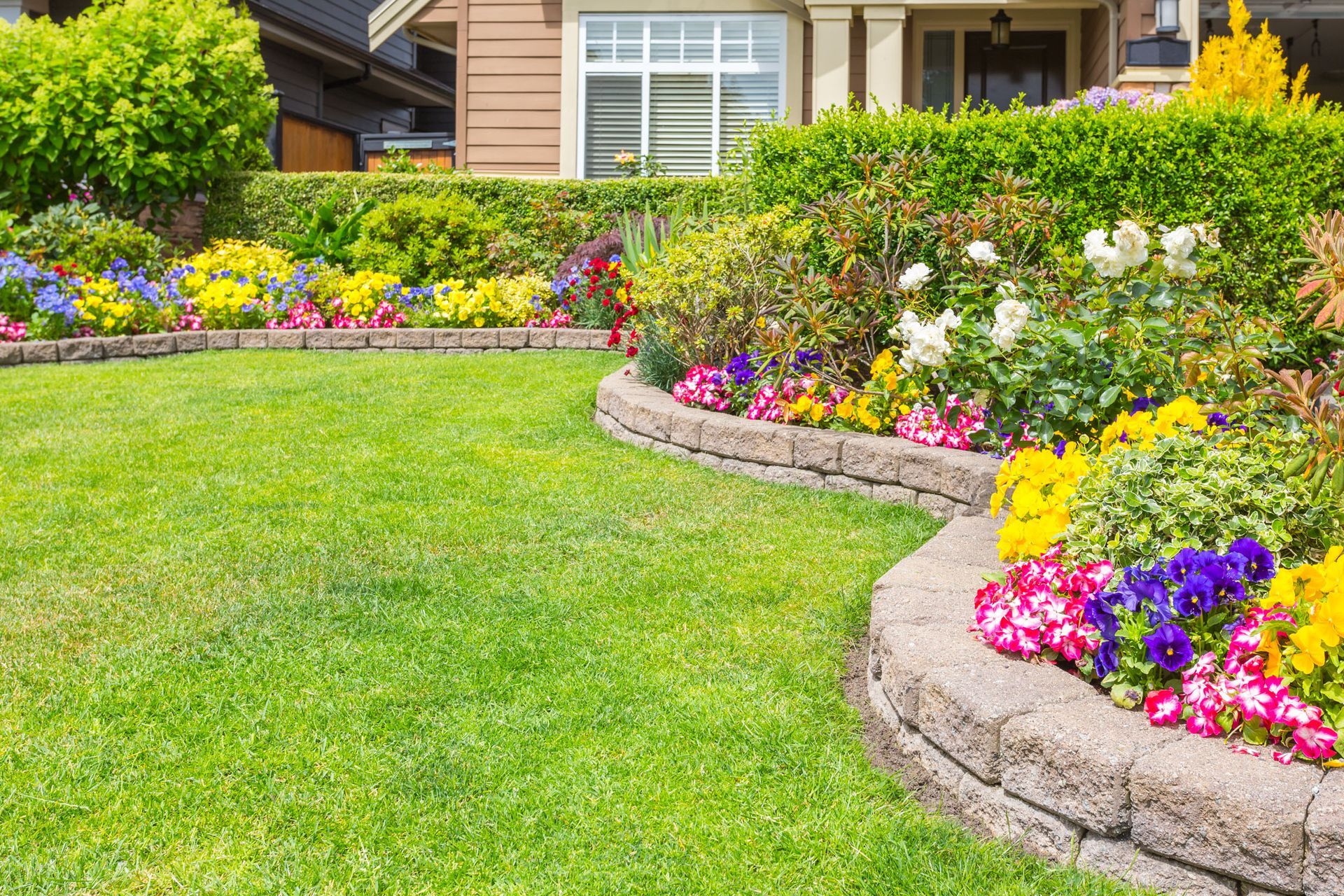
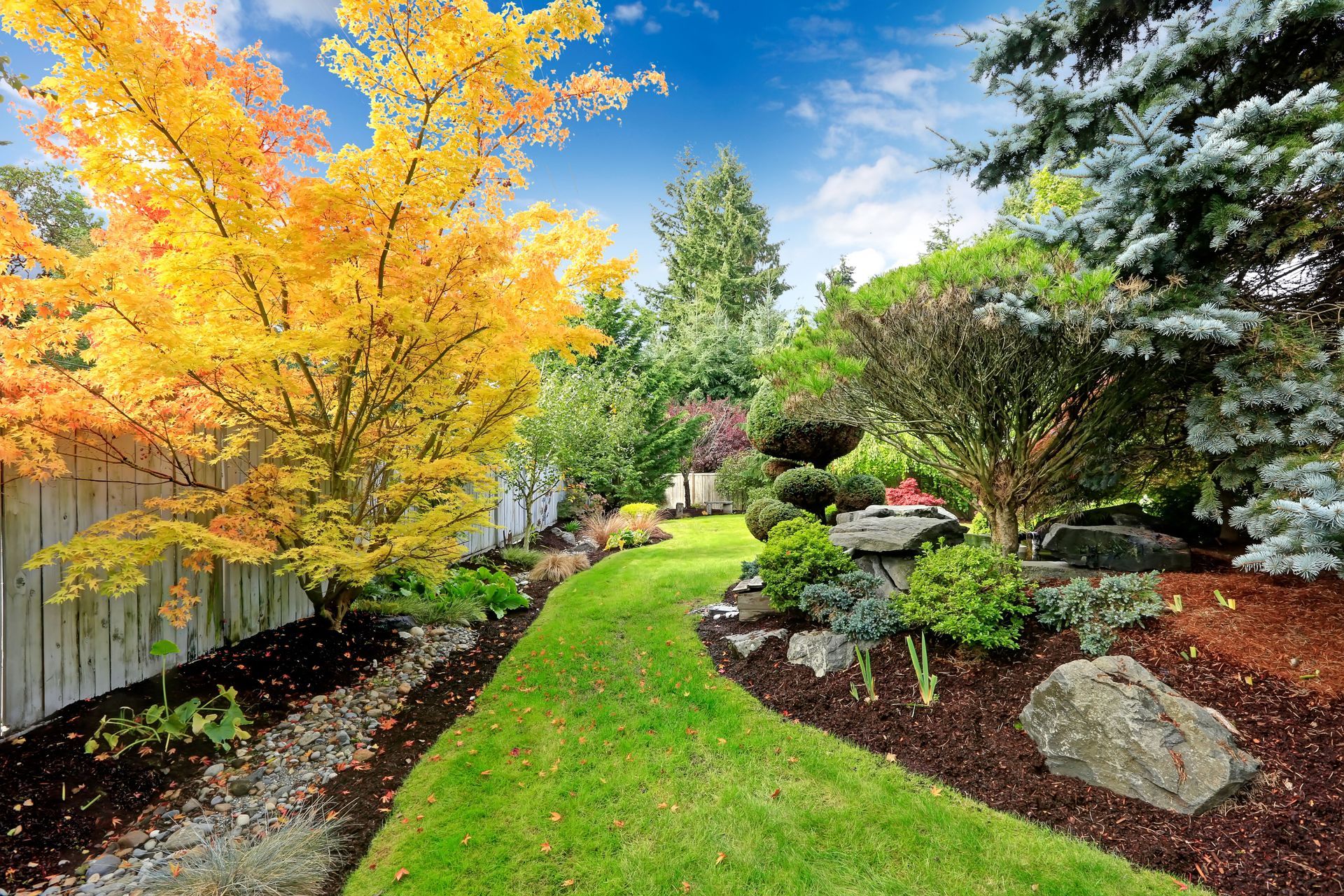
Landscaping not only enhances the aesthetic appeal of outdoor spaces but also adds significant value to properties. Whether for a residential garden or a commercial park, the right landscape supplies can transform any outdoor area into a thriving, picturesque environment. Landscape supplies range from soil and plants to hardscape materials and essential tools, each playing a vital role in creating an optimal landscape. According to the National Association of Landscape Professionals, 57 percent of Americans say they use their yards for recreation at least monthly, underscoring the importance of a well-maintained landscape. As such, understanding the different types of landscape supplies and their applications is crucial for achieving the desired transformation of outdoor spaces.
Understanding Soil and Amendments
Types of Soil
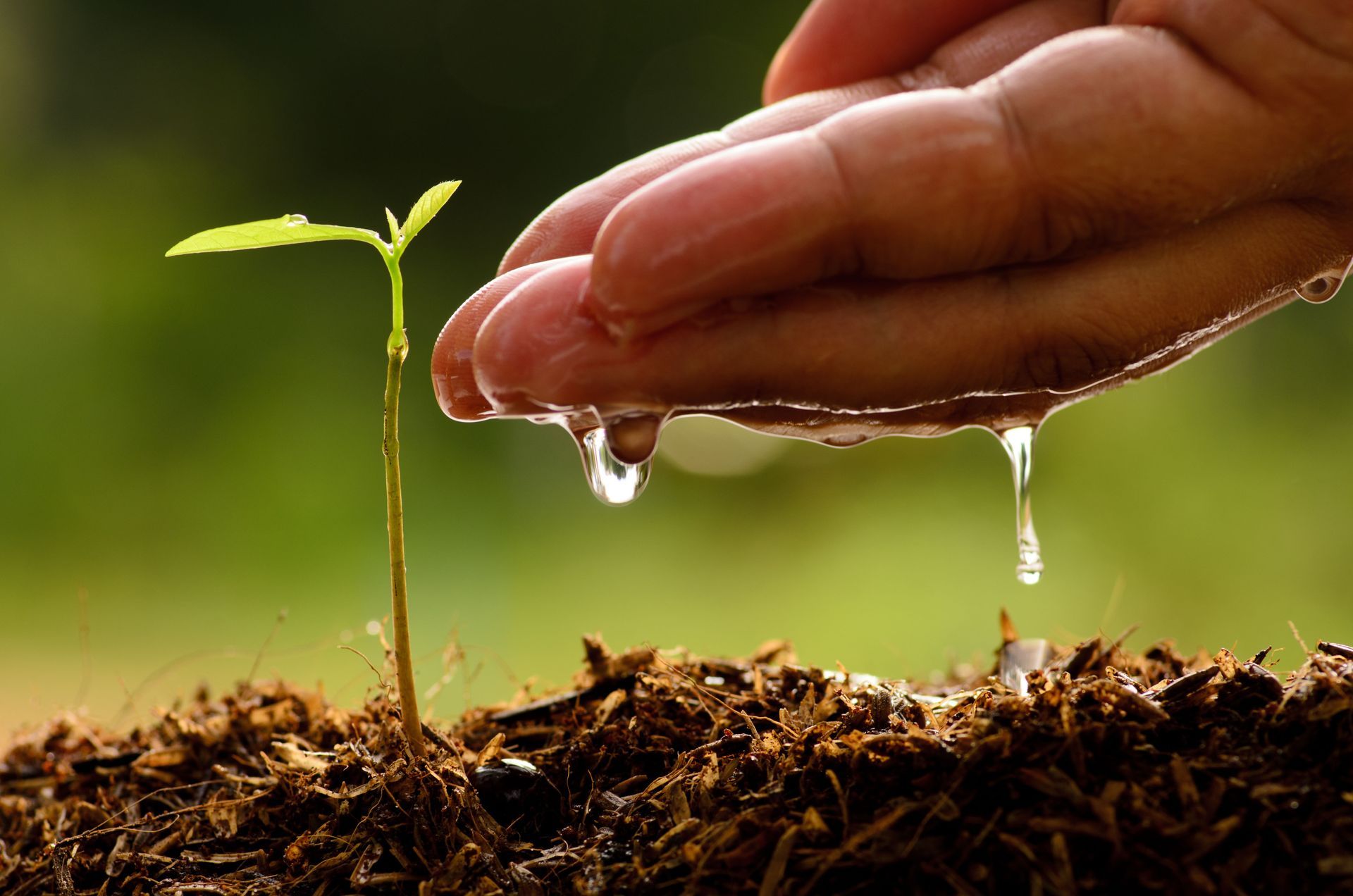
Soil is the foundation of any successful landscaping project, and its type significantly impacts plant growth. Sandy soil, composed of large particles, drains quickly but may lack nutrients, making it suitable for cacti and succulents. Clay soil, on the other hand, consists of tiny particles and retains water efficiently, though it can become compacted, hindering root growth. Loamy soil, often considered ideal, offers a balanced mix of sand, silt, and clay, providing both drainage and nutrient retention. Knowing the soil type in your landscape helps in selecting the appropriate plants and amendments for optimal growth.
Soil Testing
Soil testing is essential for assessing the nutrient content and pH level, informing crucial decisions in any landscaping project. By understanding these attributes, landscapers can apply specific amendments to correct deficiencies, ensuring plants receive the necessary nutrients. A simple soil test kit can measure the levels of nitrogen, phosphorus, and potassium—the primary nutrients needed for plant health. Additionally, soil pH determines nutrient availability, with a neutral pH often being ideal for most plants. Conducting regular soil tests before planting can prevent future issues and promote a thriving landscape.
Compost and Mulch
Incorporating compost and mulch into a landscaping plan can significantly enhance soil quality and plant health. Compost, an organic material rich in nutrients, is an excellent soil amendment that improves soil structure and promotes microorganism activity. Mulch serves as a protective layer on the soil surface, conserving moisture, reducing weed growth, and regulating soil temperature. It can be made from organic materials like wood chips or inorganic options like recycled rubber. Regular addition of compost and mulch ensures a sustainable, healthy environment for plant growth, enriching landscapes over time.
Fertilizers
Fertilizers provide essential nutrients that support robust plant growth, which may be missing from existing soil. There are many types of fertilizers, including organic options, which release nutrients slowly and improve soil structure, and chemical fertilizers that provide immediate nutrient supply. Understanding the specific nutrient needs of plants and the existing soil condition is vital for choosing the right fertilizer. Liquid fertilizers are easily absorbed and suitable for quick results, while granular types have a slow-release formula that provides long-term nourishment. Application of appropriate fertilizers ensures healthy landscapes with vibrant, thriving plants.
pH Balance
Soil pH significantly impacts plant health by influencing nutrient availability, necessitating appropriate pH evaluation and balancing measures. Most plants thrive in slightly acidic to neutral soil, with a pH range of 6.0 to 7.5 being optimal for nutrient uptake. Amending soil with lime can raise its pH, making it less acidic, while sulfur or peat moss can lower the pH. Regular monitoring and adjustment of soil pH as needed creates a conducive environment for plant growth. Proper pH balance is crucial for ensuring plants maximize their health and growth potential.
Plant Selection and Care
Native Plants
Choosing native plants can greatly benefit your garden, providing an aesthetically pleasing and environmentally friendly option. Native plants are adapted to local climate and soil conditions, making them drought-tolerant and less susceptible to pest attacks. They require less maintenance and resources, such as water and fertilizers, reducing the overall environmental impact of landscaping. Supporting local biodiversity, native plants offer habitat and food sources for native wildlife including birds, bees, and butterflies. By incorporating native species, gardeners can contribute to a sustainable ecosystem while enjoying beautiful and resilient landscapes.
Annuals vs. Perennials
Understanding the differences between annuals and perennials is crucial for effective plant selection in landscaping projects. Annual plants complete their life cycle in one growing season, providing vibrant color and full blooms but requiring replanting each year. Perennials, on the other hand, return year after year, offering long-term greenery and beauty with less maintenance. Strategic use of both types can create dynamic and continuously blooming landscapes, balancing seasonal colors with enduring plant structure. Depending on the desired aesthetic and upkeep considerations, choosing the appropriate mix of annuals and perennials is essential.
Plant Hardiness Zones
Understanding plant hardiness zones ensures the selection of plants that can survive regional climate conditions for sustainable growth. These zones, defined by the USDA, categorize areas based on average minimum winter temperatures, helping gardeners and landscapers pick plants suited to their local environment. Plant hardiness zones help in predicting plant survival and growth, reducing the risk of choosing unsuitable landscape species. Moreover, knowledge of these zones aids in planning seasonal planting schedules ensuring year-round landscape vitality. Adhering to recommended zones optimizes plant resilience and enhances landscape success.
Watering Systems
Effective watering systems can significantly improve the health and vigor of a landscape, providing plants with adequate hydration. Drip irrigation systems are efficient, reducing water wastage by delivering it directly to the plant roots. Sprinkler systems can cover large areas and integrate timers for convenience and water-saving. Selecting a suitable watering system depends on the landscape's layout, plant types, and local climate conditions. Ensuring an efficient irrigation system fosters healthy plant growth while conserving valuable water resources, contributing to eco-friendly landscaping practices.
Pruning and Maintenance
Regular pruning and maintenance are vital for keeping landscapes tidy and promoting healthy plant growth. Pruning involves removing dead or overgrown branches, enhancing plant shape and encouraging new growth with tailored techniques such as hedging and deadheading. Maintenance activities like weeding, soil aeration, and pest control further ensure the health and vitality of the landscape. Consistent upkeep helps prevent issues and extends the lifespan of landscape features, ensuring outdoor spaces remain flourishing and attractive. Regular attention to pruning and maintenance enhances overall landscape aesthetics and functionality, ensuring enduring beauty and form.
Hardscaping Materials
Paving Stones
Paving stones are an essential hardscaping material, providing functionality and aesthetics to walkways, patios, and driveways. Available in various shapes, sizes, and colors, they offer versatile design options suited for any landscape style. Some common types include natural stone, concrete pavers, and brick, each offering unique visual and functional benefits. Proper installation and planning can result in durable surfaces that require minimal maintenance, adding long-lasting value to the landscape. The use of paving stones enhances landscape appeal while providing practical surfaces for everyday use.
Retaining Walls
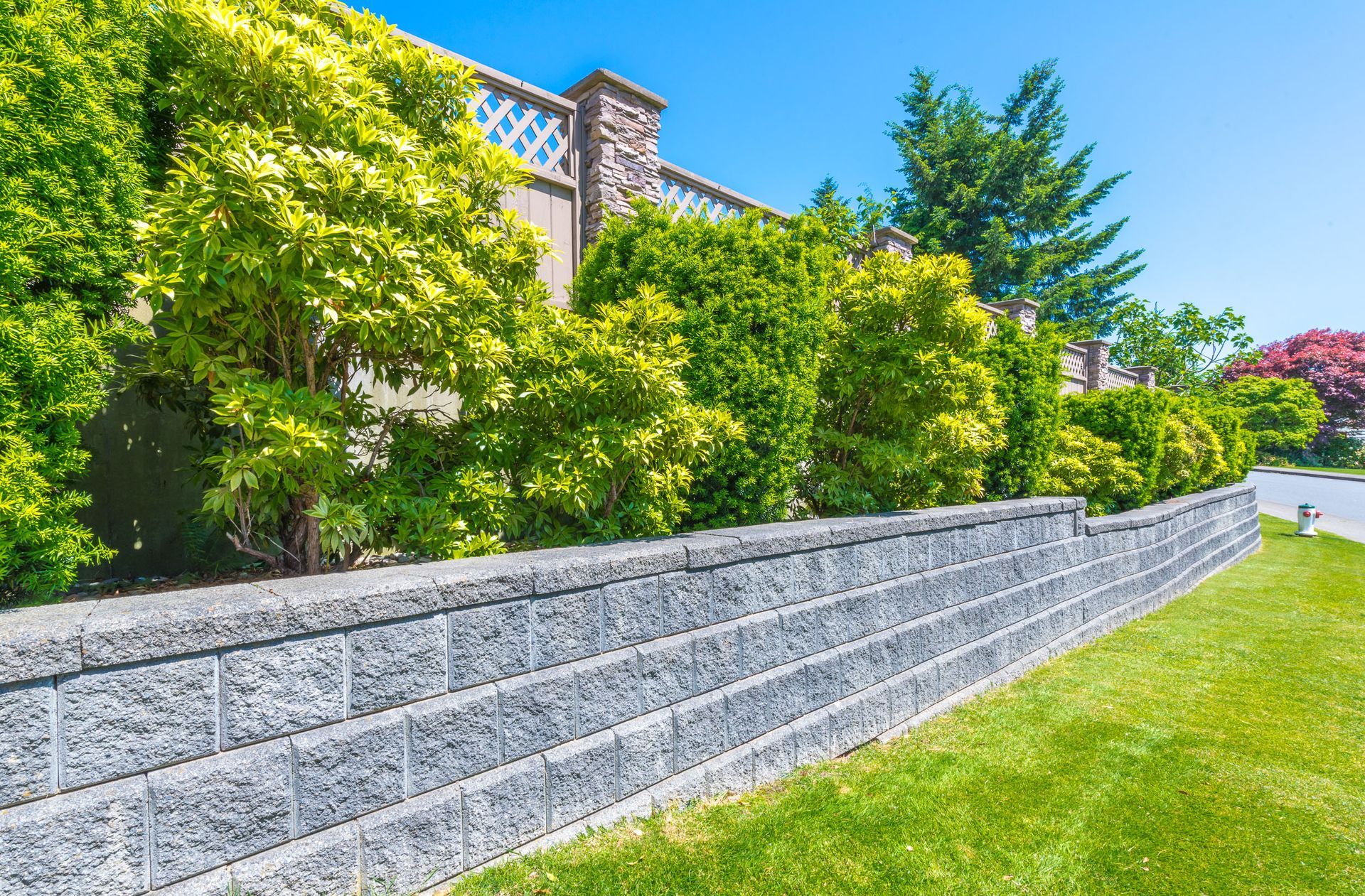
Retaining walls serve a functional and decorative role in landscapes, providing essential support on sloped areas and preventing soil erosion. Constructed from materials such as stone, concrete, or timber, they add structural interest and create defined spaces within the landscape. Besides functionality, retaining walls can enhance visual appeal, complementing overall landscape design with varied textures and colors. Proper engineering and installation are crucial to ensure structural integrity and longevity of retaining walls. By incorporating retaining walls, landscapers can optimize layouts, ensuring stability, and adding aesthetic charm.
In summary, selecting and utilizing appropriate landscape supplies is essential for creating inviting, sustainable outdoor spaces. Be sure to reach out to TimberRock Landscape Center for more information on our professional landscape supplies!


Share On: