
How Local Sourced Stone and Soil Improve Plant Health
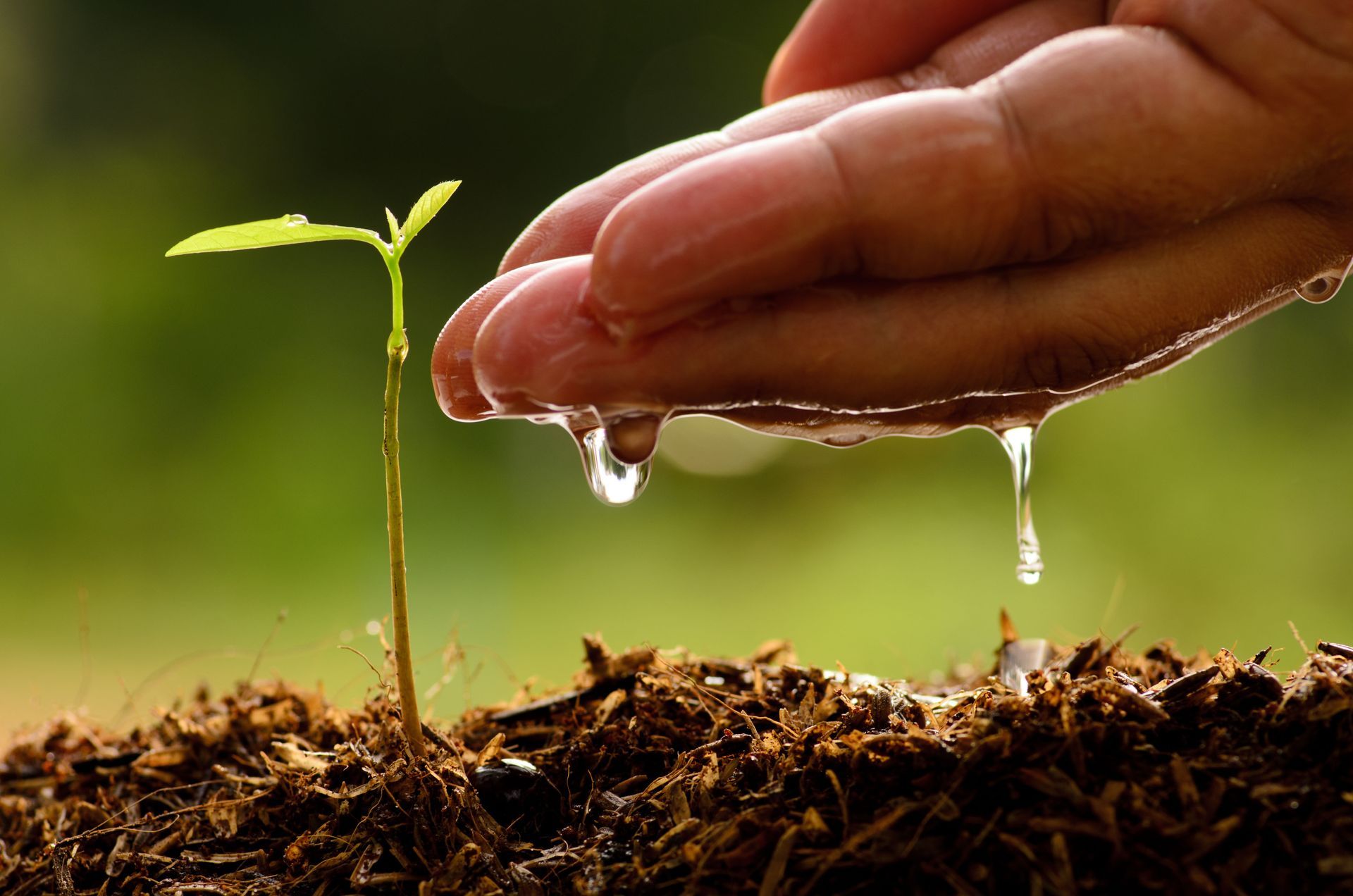
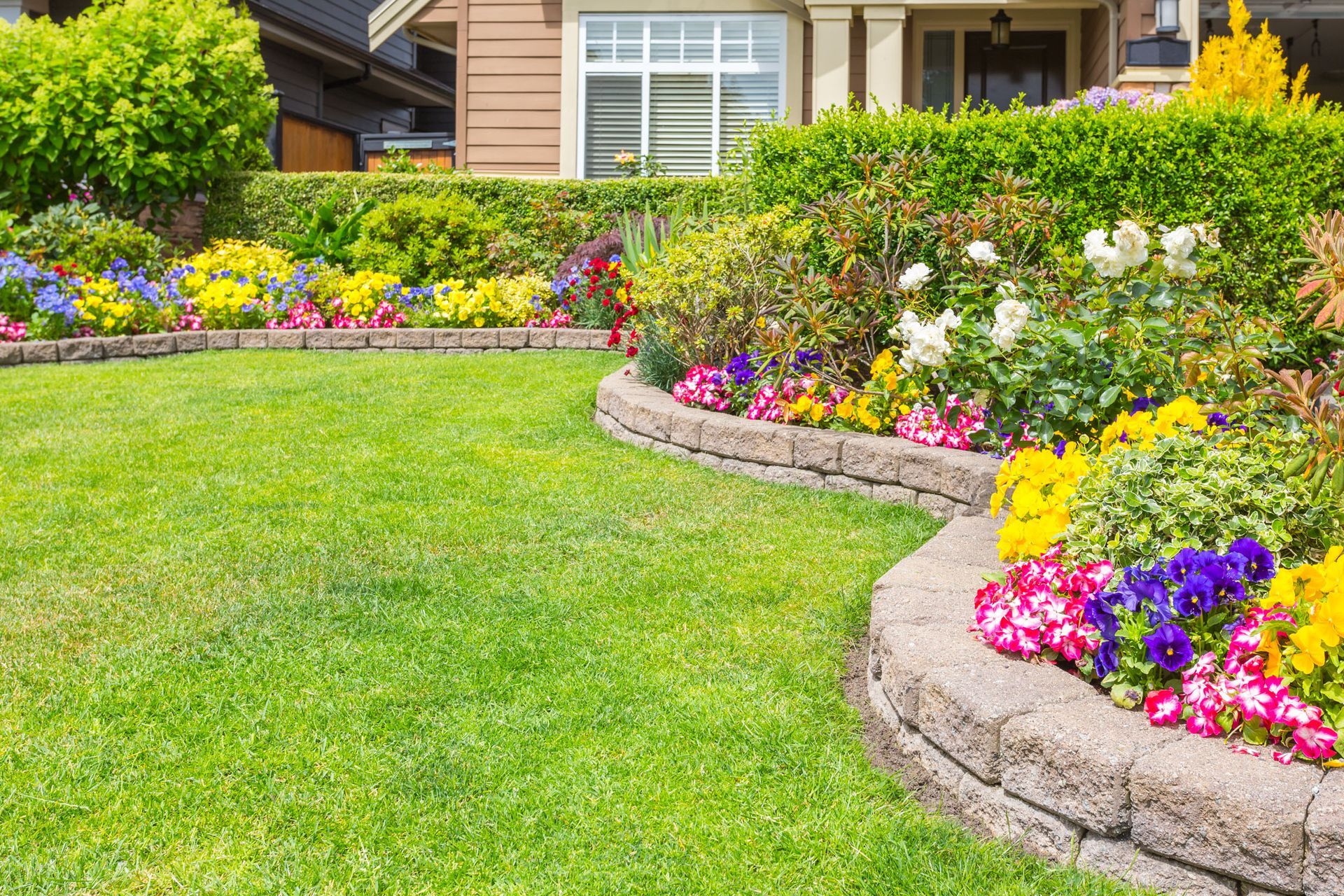
Every healthy, vibrant landscape begins with the foundational elements buried right beneath your feet. Selecting local landscape materials creates an ideal environment where flowers, shrubs, and trees naturally thrive. Sourcing regional soil, gravel, and natural stone aligns your outdoor spaces with the surrounding native ecosystem. Native flora and regional soil compositions have evolved together over thousands of years, creating a natural synergy that commercial, imported products simply cannot match. When you build outdoor features with regional resources, you provide your greenery with familiar organic matter, balanced pH levels, and ideal microbial activity. Understanding how regional ground elements directly influence plant longevity helps you make informed choices for your outdoor investments. Selecting local landscape materials ensures your garden bed, flower borders, and structural ground installations support vibrant growth for seasons to come.
Matching Natural Soil pH for Superior Nutrient Absorption
Plants absorb essential nutrients through their roots only when the surrounding earth sits within a specific acidity level. Regional dirt naturally aligns with the chemical makeup required by native and regionally adapted flora. Sourcing local landscape materials ensures that your planting beds retain the proper chemical equilibrium needed for consistent nutrient intake. Imported dirt often contains mismatched acid levels that lockout critical minerals like iron, magnesium, and nitrogen. When you utilize nearby earth compositions, roots effortlessly soak up essential elements without suffering from extreme mineral toxicity or chronic deficiencies. This organic balance eliminates the constant need for artificial chemical treatments or adjustments, allowing root systems to expand steadily through predictable, healthy ground.
Unlocking Microclimate Synergy Through Native Minerals
Regional geology creates specific mineral footprints within the ground that surrounding flora depend on for long-term survival. Using regional stone and dirt maintains this precise biological balance across your entire property. Incorporating local landscape materials allows beneficial microbes, earthworms, and mycorrhizal fungi to thrive alongside your trees and shrubs. These vital microscopic organisms break down organic debris and deliver micronutrients straight to deep root zones. Materials brought in from distant environments frequently lack these customized microscopic populations, creating a sterile growing medium. By supplying familiar regional minerals, you encourage a dense web of underground biological activity that naturally defends plants against soil-borne pathogens.
Optimizing Drainage and Moisture Retention Balance
Water management plays a massive role in maintaining lush, green garden features throughout changing weather seasons. Ground conditions vary greatly across geographic regions, ranging from heavy clay compositions to swift-draining sand formations. Sourced local landscape materials naturally match the precipitation patterns and moisture demands of your immediate environment. Native dirt holds onto moisture during warm spells while allowing excess rainfall to drain efficiently away from fragile root zones. Adding regional gravels and crushed rock beneath garden beds prevents standing water, which ultimately protects delicate root systems from rotting. Consistent moisture management ensures continuous growth while keeping root structures hydrated, sturdy, and free from harmful mold or root fungi.
Reducing Root Stress from Severe Weather Fluctuations
Temperature swings between blazing hot afternoons and freezing winter nights place immense stress on sensitive root networks. Natural stone elements strategically arranged around planting areas act as thermal sponges that moderate ground temperatures. Utilizing local landscape materials offers predictable density levels that absorb excess daylight heat and release it slowly back into the surrounding ground at night. This thermal buffer protects delicate tender roots from sudden frost damage during quick seasonal transitions. Additionally, regional stones resist premature crumbling, cracking, or leaching strange compounds when exposed to localized frost cycles, ensuring continuous year-round thermal protection for your property.
Protecting Delicate Roots with Regional Boulder Installations
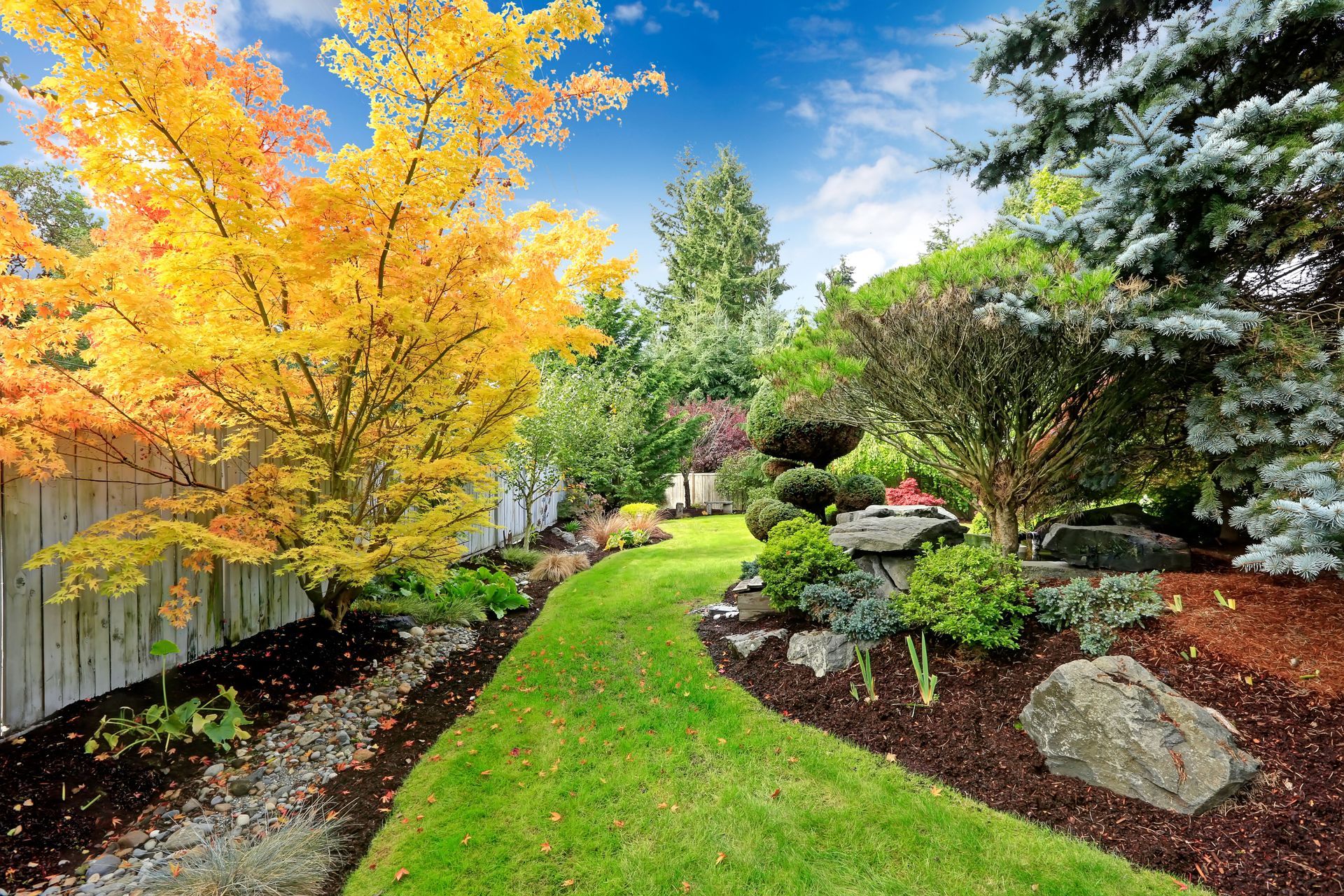
Large structural stones do far more than establish visual boundaries; they create vital microclimates that shelter sensitive root systems from extreme environmental exposure. According to This Old House, a boulder for landscaping is a stone that is at least two feet wide. Placing these substantial natural stones throughout your garden beds blocks harsh prevailing winds, shields soil from direct evaporation, and stabilizes underlying ground slopes. Incorporating local landscape materials ensures these massive stone features blend smoothly into the surrounding earth while providing lasting structural stability. Roots comfortably creep along the underside of these large formations where the earth remains cool, dark, and consistently moist even during intense midsummer heatwaves.
Preventing the Spread of Invasive Species and Foreign Diseases
Bringing outside dirt, foreign rocks, or unvetted organic matter into your property creates hidden ecological hazards. Non-native ground materials frequently harbor hidden weed seeds, invasive fungal spores, or predatory insect eggs that harm established greenery. Choosing local landscape materials significantly reduces the risk of introducing foreign pests into your yard. Regional suppliers source their inventory from clean, monitored local sites, ensuring high purity levels across all stone, aggregate, and topsoil batches. Protecting your beds from outside contaminants allows established trees, shrubs, and perennials to flourish without competing against aggressive, non-native weeds or destructive bacterial blights.
Enhancing Structural Soil Stability and Root Anchoring
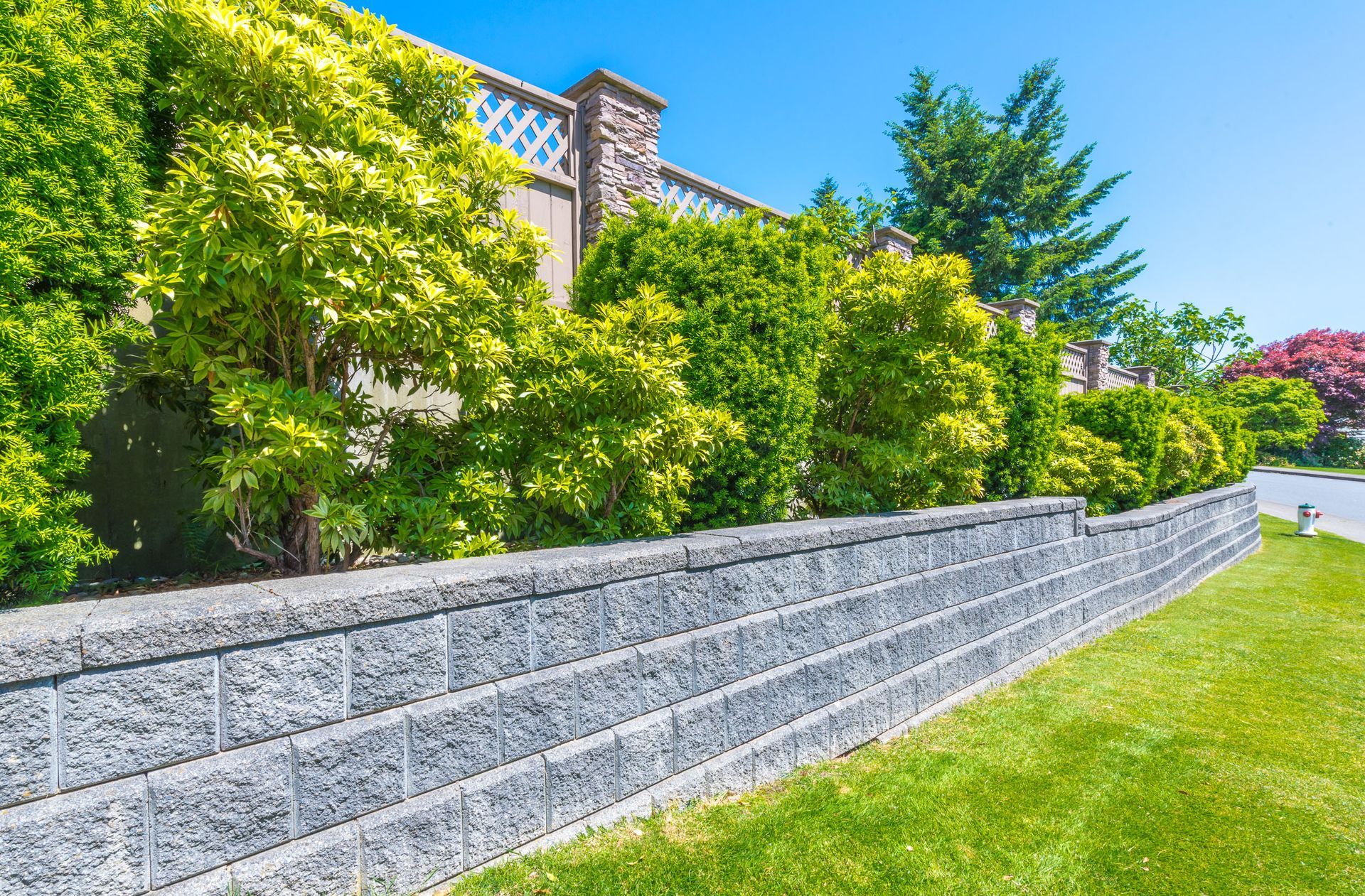
Strong winds, heavy rain, and seasonal runoff can slowly strip away nutrient-rich topsoil, leaving shallow roots exposed and vulnerable. Integrating local landscape materials into your outdoor layout provides heavy, reliable anchor points that stabilize surrounding dirt structures. Coarse regional sands, crushed stone bases, and native topsoils interlock securely to resist washing away during sudden rainstorms. Deep root systems anchor firmly into this sturdy foundation, preventing tall plants and delicate shrubs from leaning or uprooting. Maintaining stable, erosion-resistant planting beds ensures that your garden investments stay firmly established and nourished over many years.
Strengthening Natural Plant Immunity with Regional Elements
Plants growing in familiar, regionally aligned conditions develop naturally robust cellular structures that ward off common garden diseases. Sourcing local landscape materials provides continuous access to biological elements that reinforce plant defense systems. When foliage extracts proper trace minerals directly from regional ground supplies, cell walls grow thicker and far more resilient against leaf-chewing insects. Foreign soils lacking necessary regional compounds force plants to expend valuable energy just trying to adapt, leaving them weak and susceptible to disease outbreaks. Providing proper regional ground foundations enables your landscape features to defend themselves naturally without relying heavily on synthetic chemical treatments.
Promoting Environmental Sustainability Through Proximity Sourcing
Creating a beautiful, thriving outdoor environment should support the surrounding natural landscape rather than strain outside ecosystems. Procuring local landscape materials reduces the extensive fuel consumption and heavy emissions tied to long-distance freight shipping. Shorter transportation distances mean products arrive fresh, undisturbed, and free from heavy industrial pollution. Furthermore, sourcing from regional suppliers protects natural ecosystems by encouraging responsible environmental stewardship within your immediate community. By choosing regional ground elements, you actively lower your property’s ecological footprint while building a resilient, long-lasting garden framework that honors the natural beauty of your local environment.
Establishing Long-Term Soil Fertility and Organic Renewal
Maintaining vibrant garden features requires ground conditions that continually break down and replenish nutrients over extended periods. High-quality local landscape materials supply rich organic compounds that break down at a pace perfectly aligned with regional seasonal cycles. As native topsoils and organic mixes settle, they steadily feed deep root layers without burning tender foliage. Foreign soil mixes often contain additives that decompose far too quickly or leach away after a few heavy rains, leaving roots starved for sustenance. Utilizing regional earth products establishes a self-sustaining cycle of fertility, ensuring your trees, hedges, and flowering beds remain full, green, and vibrant year after year.
The health, beauty, and longevity of your outdoor space depend entirely on the quality of the foundation you build beneath it. Aligning your property with regional ground elements creates an inviting ecosystem where plants, trees, and shrubs can reach their full potential. From balancing soil acidity to stabilizing root structures, sourcing local landscape materials provides unmatched benefits for every corner of your property. Choosing nearby stone, gravel, and rich topsoil creates a resilient, low-maintenance outdoor space that withstands changing weather patterns effortlessly. To explore an extensive selection of premium regional stone, rich soil blends, and decorative aggregates for your next property project, connect with TimberRock Landscape Center today.

Share On: