
Answering Common Questions About Landscape Materials
Creating a stunning outdoor space requires thoughtful planning, dedication, and high-quality supplies. Many homeowners struggle to navigate the vast array of available options for enhancing exterior properties. An inviting yard offers a peaceful retreat for families and guests during warm afternoons. Selecting proper outdoor elements guarantees enduring beauty and practical functionality. Elevating the exterior appearance transforms an ordinary property into an extraordinary haven.
Individuals embarking on yard renovation projects have numerous questions about the best supplies for specific environments. The available choices range from organic options like mulch to structural pieces like flagstone and manufactured concrete. According to Realtor Magazine, poor landscaping can drop property values by 30%. This statistic highlights why using premium landscape materials is vital for achieving sustainable and appealing visual results.
What Are the Best Applications for Mulch and Bark?
Mulch and bark serve as foundational elements for maintaining healthy garden beds throughout changing seasons. These natural products help retain critical moisture in the soil, reducing the need for constant watering during scorching summer months. Gardeners appreciate how a thick layer suppresses invasive weed growth and insulates vulnerable plant roots during extreme weather. Homeowners can choose between various colors and textures to match a preferred aesthetic vision.
Organic ground covers break down, enriching the foundational earth beneath them with essential minerals. This natural decomposition process releases vital nutrients that promote plant growth and improve overall soil structure. Regular replenishment keeps the garden looking fresh and ensures continued benefits from the decomposing organic matter. Property owners prefer cedar or redwood bark for an appealing scent and natural resistance to destructive yard pests.
Selecting the correct type of mulch depends on the specific needs of the plants and the local climate conditions. Finer mulches decompose at a rapid pace and provide immediate nutritional boosts, while larger bark nuggets possess superior longevity and withstand heavy winds. Proper installation of landscape materials creates a cohesive, unified look across the entire yard. A well-mulched garden bed establishes a clean boundary between planting zones.
Applying these organic products requires careful attention to depth and placement around delicate plants. Leaving a small gap around tree trunks and plant stems prevents unwanted moisture accumulation that causes root rot. A consistent layer depth throughout the garden bed provides optimal temperature insulation and superior weed suppression. Gardeners achieve the greatest results by refreshing the ground cover every spring at the beginning of the growing season.
How Do Decorative Rocks Enhance Property Aesthetics?
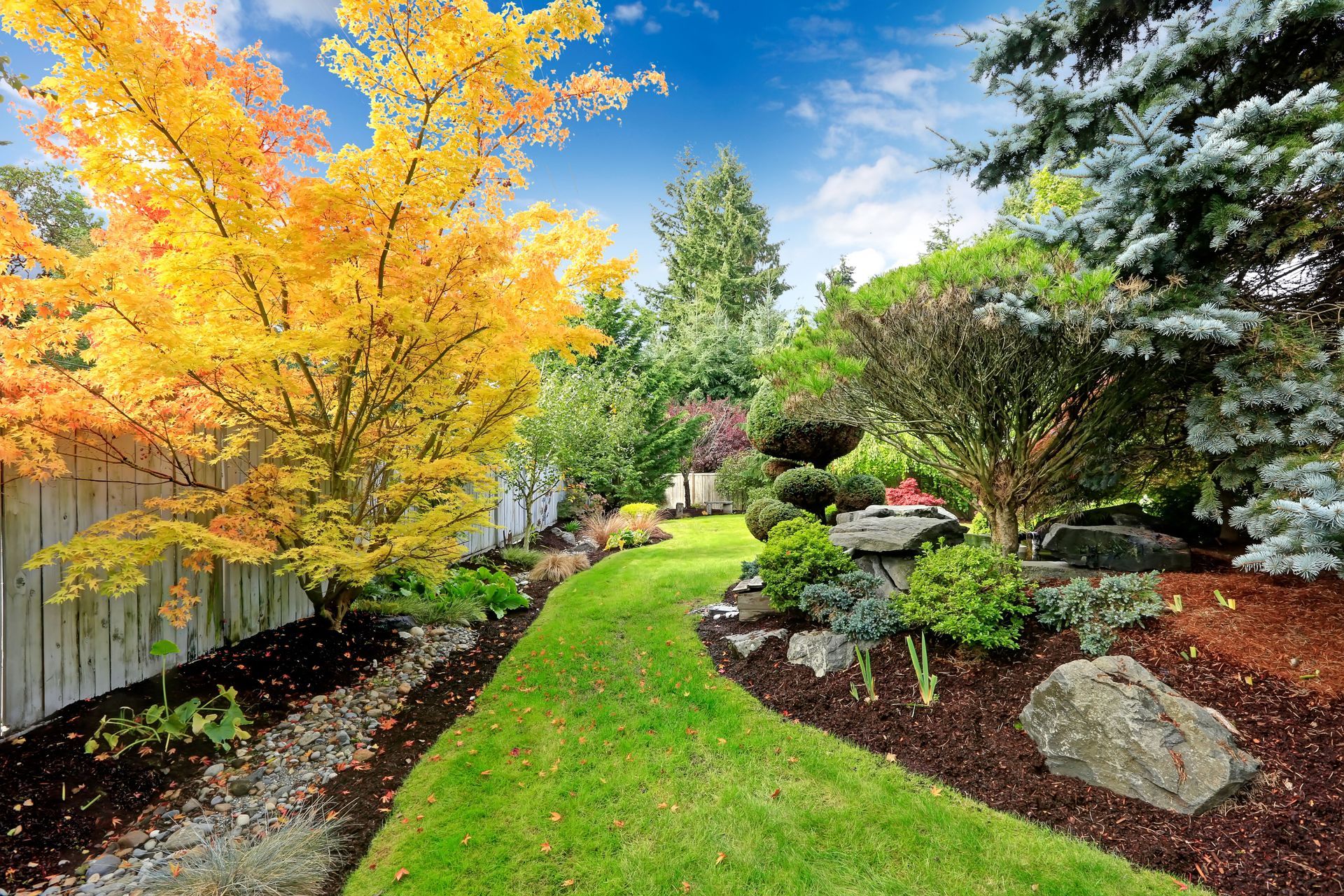
Decorative rock offers a fantastic low-maintenance alternative to traditional organic ground covers. These durable products come in countless colors, shapes, and sizes, allowing for endless design possibilities in any outdoor setting. From smooth river rock to crushed granite, these stones provide striking visual contrast against lush green foliage. Incorporating these landscape materials adds permanent texture and color to winding pathways, distinct borders, and empty yard spaces.
Using stone in outdoor design creates excellent drainage solutions for yard areas prone to standing water. Gravel and small cobbles allow rainwater to percolate into the ground, reducing surface runoff and preventing soil erosion. Property owners use these stones to create functional dry creek beds that direct excess water away from structural foundations. This functional approach resolves drainage issues while adding an attractive, permanent architectural feature.
Boulders serve as captivating focal points that anchor an entire garden design. Placing large stones among delicate plants provides a sense of permanence and rugged mountain beauty. Landscapers bury a portion of these massive rocks to make them appear as natural outcroppings emerging from the earth. Surrounding the boulders with smaller cobbles creates a harmonious transition between the massive focal points and the remaining garden bed.
Stones require minimal upkeep compared to living plants or organic mulches that demand constant attention. The rocks do not fade in the sun, decompose in the rain, or require seasonal replacement, making them a cost-effective, long-term backyard solution. Occasional raking keeps gravel paths looking neat and even throughout the changing seasons. Homeowners appreciate the lasting value and effortless beauty that decorative stones bring to an exterior renovation.
When Should Property Owners Use Topsoil Versus Compost?
Understanding the critical difference between topsoil and compost remains crucial for establishing a thriving, beautiful garden. Topsoil serves as the foundational earth, providing the vital structural base where delicate roots anchor themselves. This essential component contains a diverse mixture of sand, silt, and clay that supports physical plant stability. Selecting high-quality landscape materials ensures the ground has the proper texture for healthy root development and overall plant vitality.
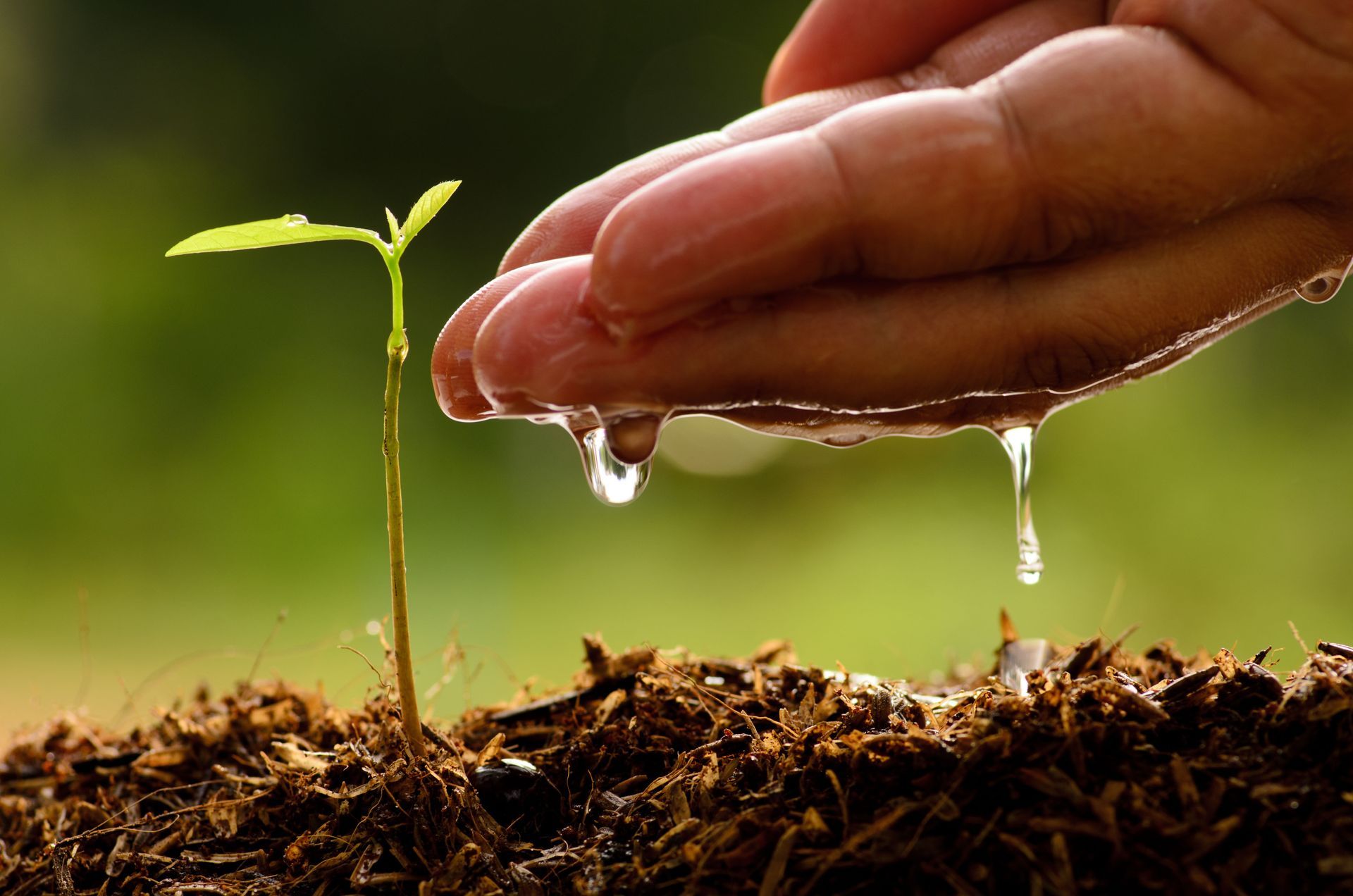
Compost acts as a powerful soil amendment rather than a primary growing medium for delicate plants. This nutrient-rich substance consists of decomposed organic matter that revitalizes depleted, tired earth. Blending compost into existing garden beds introduces beneficial microorganisms that improve plant vitality and disease resistance. Gardeners rely on this dark, earthy substance to boost fundamental fertility and enhance the overall health of the entire garden ecosystem.
Combining both products creates the ideal foundational environment for establishing new lawns or raised garden beds. A blended mixture provides both the necessary physical structure and the vital nutritional boost required for vibrant growth. Landscapers recommend a specific ratio of earth to organic matter depending on the existing ground conditions.
Applying these specific soil products sets the perfect stage for long-term gardening success. Deep tilling of rich organic amendments into the bare ground encourages deep plant root growth, preventing shallow and vulnerable root systems. Regular soil testing helps homeowners determine the exact amendments a specific yard requires for optimal growth. A proper foundation of quality earth guarantees a lush, vibrant outdoor space that enhances neighborhood curb appeal.
Which Hardscaping Elements Suit Custom Outdoor Spaces?
Hardscaping creates the solid structural framework that defines an inviting outdoor living area. Products like flagstone and manufactured concrete blocks establish durable pathways, expansive patios, and functional gathering spaces for entertaining guests. These solid surfaces provide a striking visual contrast to the soft textures of leafy plants and manicured lawns. Integrating high-quality landscape materials ensures the structural components withstand heavy foot traffic and changing weather conditions.
Flagstone remains a popular choice for creating elegant and timeless yard walkways. The irregular shapes and natural color variations lend a beautiful rustic charm to meandering garden paths and wide patio floors. Skilled installers fit the heavy pieces like a complex puzzle, creating a seamless and sturdy walking surface. Sweeping sand or planting creeping ground covers between the stones softens the rigid edges and adds rustic character.
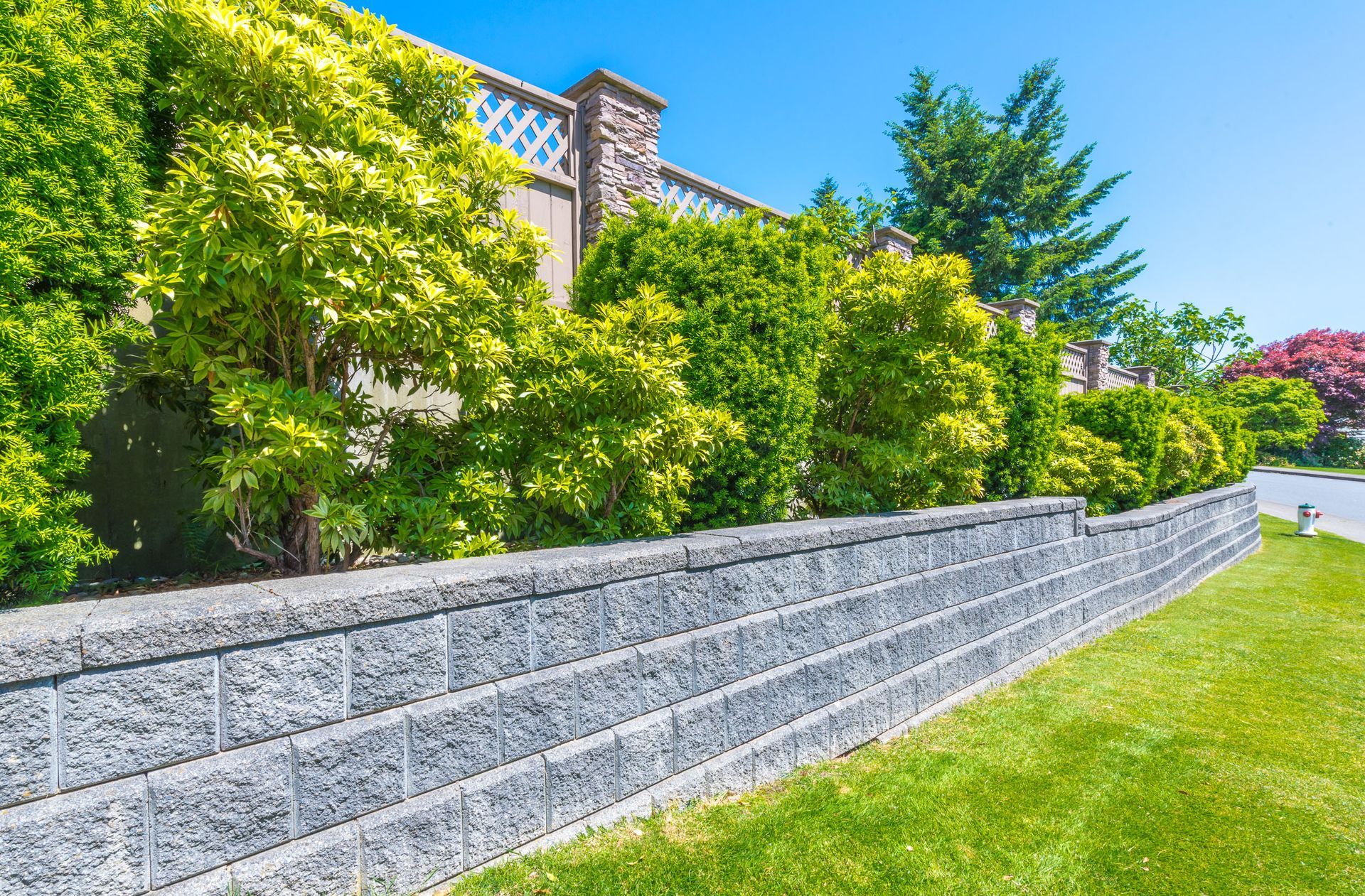
Retaining walls serve both stunning aesthetic and crucial functional purposes in steep, sloped yards. Sturdy timbers and concrete blocks hold back heavy earth, preventing soil erosion and creating level terraces for planting beds or outdoor seating. These structural barriers transform unusable steep terrain into functional, beautiful outdoor gathering spaces. Homeowners incorporate built-in seating or ambient lighting into these retaining walls to maximize nighttime utility and aesthetic appeal.
Edging products provide clean, distinct lines that separate different areas of a spacious yard. Installing concrete borders or decorative ties prevents loose gravel from spilling into lawns and stops aggressive grass from invading pristine garden beds. This crisp separation gives the entire property a polished, professional appearance. Consistent decorative borders highlight the specific shapes of flower beds and guide the eye along winding outdoor pathways.
Investing significant time and resources into exterior improvements yields substantial rewards for dedicated property owners. A thoughtfully designed yard provides a private, serene sanctuary for daily relaxation and weekend entertainment. From the foundational earth to the final decorative finishes, every distinct component plays a vital role in the overall success of the design. Selecting the correct landscape materials guarantees the final result will endure and flourish. When you are ready to bring your outdoor vision to life, we at TimberRock Landscape Center are here to help. Reach out to our team today to find the perfect landscape materials for your upcoming project.


Share On: