
Choosing Quality Materials at Your Neighborhood Landscaping Center
Understanding the importance of selecting high-quality materials for your landscaping projects can have a lasting impact on your outdoor spaces. The foundation of any successful landscaping endeavor is rooted in the quality and appropriateness of the materials you choose. Investing in high-quality materials not only enhances the aesthetic appeal of your outdoor spaces but can also significantly extend the lifespan and functionality of your landscaping features. This article will guide you through the process of choosing the best materials available at your local landscaping center. By the end, you’ll have a thorough understanding of what to look for and how to make sustainable choices that benefit both your garden and the environment. Visiting local suppliers that specialize in landscape supplies early in the planning phase can help you compare options and identify materials that align with both your design goals and long-term maintenance expectations.
Understanding Landscaping Material Types
Selecting the right materials begins with understanding the wide variety of options available and how each contributes to your overall landscape design. Different materials serve different purposes, from supporting plant growth to enhancing visual appeal and improving functionality. By learning how each category performs, you can make informed decisions that lead to a cohesive and durable outdoor environment. High-quality landscape supplies are not just about appearance—they directly impact performance, longevity, and sustainability. Taking the time to evaluate these options ensures your investment delivers lasting value.
Soil Composition and Performance
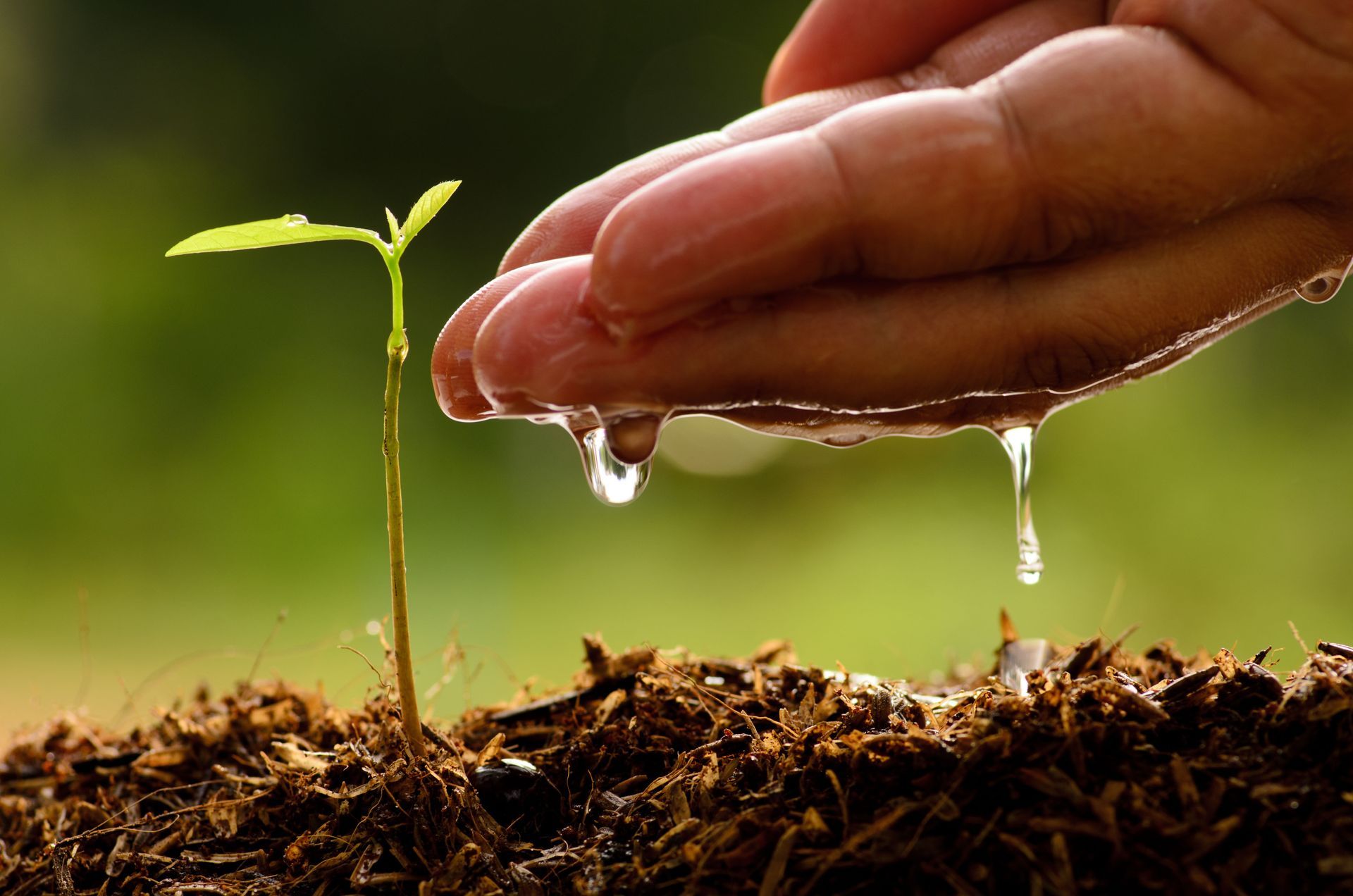
The type of soil you use in your landscaping project can drastically influence plant growth and health. Loam soil, known for its balanced texture and nutrients, is often favored for its ability to support a wide variety of plants. Clay soil, though rich in nutrients, tends to retain water and may require amendments for better plant performance. On the other hand, sandy soil is excellent for drainage but often lacks the nutrients necessary for optimal plant growth. Selecting the right soil type is essential to creating a thriving outdoor ecosystem tailored to the specific needs of your plants.
The success of your landscaping largely depends on matching your soil choice with your gardening goals. For instance, vegetables and annuals often thrive in loam-based soils due to their nutrient balance, while drought-tolerant landscaping benefits from sandier compositions. Understanding how soil interacts with water, nutrients, and plant roots allows you to make adjustments that support healthier growth. Many suppliers of landscape supplies also offer soil blends designed for specific applications, simplifying the selection process for homeowners and contractors alike.
According to ZipDo, 50% of consumers are willing to pay more for environmentally sustainable landscaping, which speaks to the growing trend of ecological mindfulness. By opting for organic soil amendments and sustainable practices, you not only enhance the health of your garden but also contribute to the well-being of the planet. This mindset supports biodiversity and encourages the use of native plants, ultimately fostering an eco-friendly outdoor space.
Stone and Gravel Applications
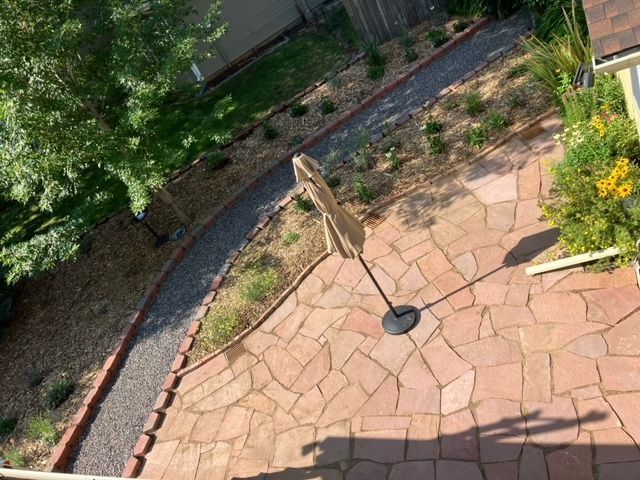
Stone and gravel are essential components of hardscaping that add both structure and visual interest to landscaping designs. From decorative gravel pathways to functional drainage systems, these materials offer versatility and durability. River rocks, pea gravel, and crushed stone each provide unique textures and colors that can complement various design styles. Selecting the right type of stone helps create balance between natural elements and constructed features.
When choosing stone and gravel, consider how they interact with surrounding materials and plantings. Larger stones can serve as focal points, while smaller aggregates work well for pathways and ground cover. Color selection also plays a significant role in tying together the overall aesthetic of your landscape. High-quality materials sourced from trusted landscape supplies providers tend to maintain their color and structure longer, reducing the need for frequent replacement.
Beyond aesthetics, stone and gravel are crucial for managing drainage and preventing erosion. Proper installation techniques, including layering and grading, can improve water flow and protect soil stability. These materials also help regulate ground temperature, creating microclimates that benefit plant health. Incorporating them thoughtfully enhances both the resilience and functionality of your outdoor space.
Mulch Function and Aesthetic Value
Mulch serves both decorative and practical purposes in landscaping, effectively regulating soil temperature and moisture while suppressing weeds. Organic mulches such as bark and wood chips enrich the soil as they decompose, while inorganic options like rubber or rock provide long-lasting coverage with minimal upkeep. Choosing the right mulch depends on your maintenance preferences and the needs of your plants.
Proper application is key to maximizing mulch benefits. A layer of two to four inches is generally recommended to retain moisture and prevent weed growth without restricting airflow. Organic mulches require periodic replenishment but contribute to soil health, while inorganic options maintain a consistent appearance over time. Selecting mulch from reliable landscape supplies sources ensures consistency in quality and performance.
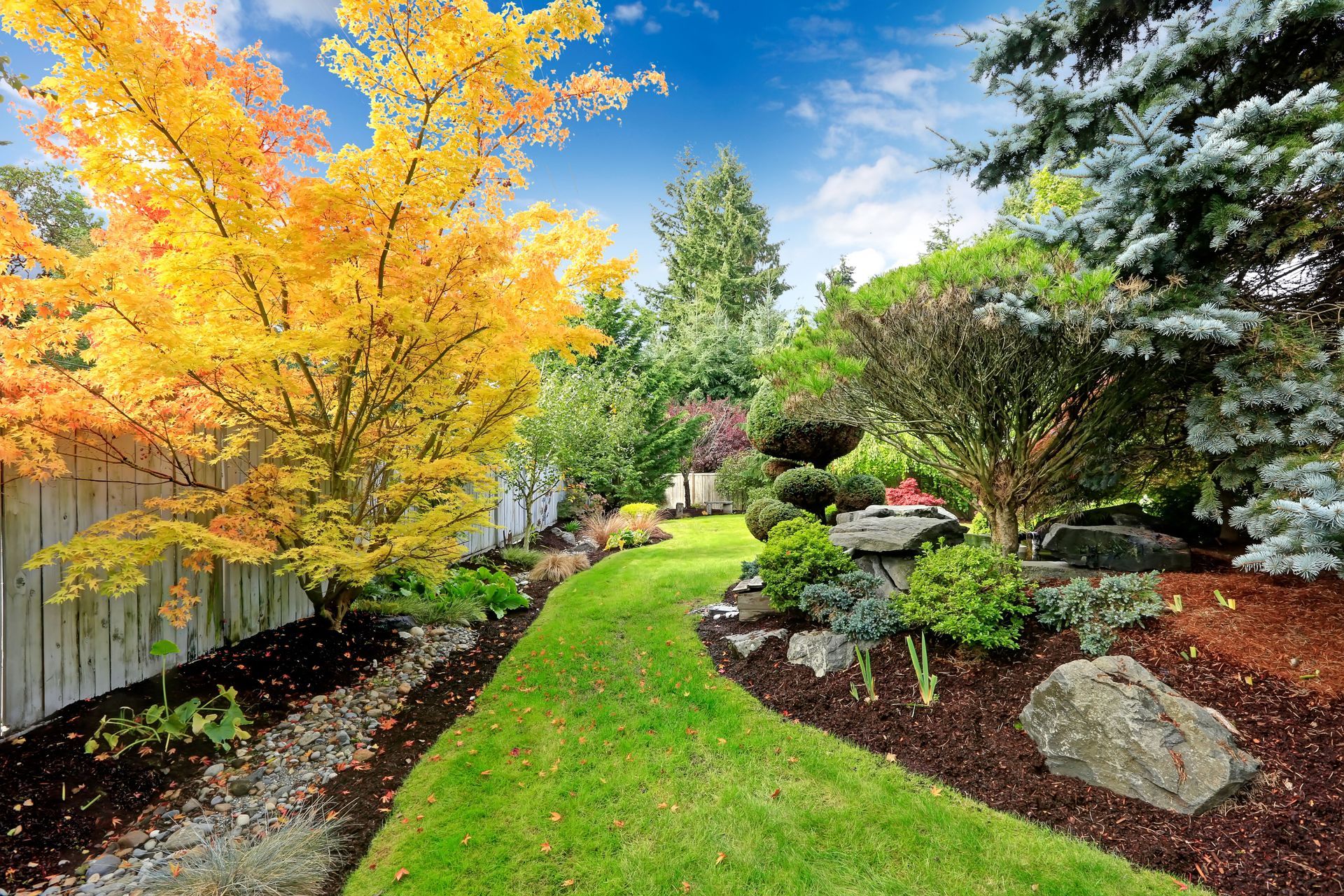
Mulch also plays a significant role in design by enhancing contrast and depth within garden beds. Dark mulch can highlight vibrant plant colors, while lighter tones create a softer, more uniform look. By combining functional benefits with visual appeal, mulch becomes a critical component of a well-balanced landscape.
Plant and Tree Selection Strategy
Choosing the right plants and trees requires balancing aesthetics with environmental compatibility. Native plants are often the most reliable option, as they are adapted to local climate and soil conditions. Exotic plants can add unique visual appeal but may require additional maintenance and resources. Understanding these differences helps you build a sustainable and manageable landscape.
Growth patterns, maintenance requirements, and seasonal changes should all be considered when selecting plants. Fast-growing trees provide quick results but may need frequent pruning, while slower-growing species offer long-term stability. A diverse selection of plants ensures year-round visual interest and ecological balance.
Water efficiency and pest resistance are also important factors. Drought-tolerant plants reduce irrigation needs, while naturally resilient species minimize reliance on chemical treatments. Many nurseries offering landscape supplies can guide you toward plant selections that align with both design goals and environmental responsibility.
Water Feature Material Considerations
Water features such as ponds and fountains add tranquility and visual interest to any landscape, but their success depends on selecting durable components. Pumps, liners, and filtration systems must be chosen carefully to ensure efficient operation and longevity. High-quality materials reduce maintenance requirements and enhance overall performance.
Placement and scale are critical when designing water features. The size of the pump should match the feature to achieve proper water flow, while materials must withstand local weather conditions. Using durable stones and efficient filtration systems helps maintain water clarity and prevent algae growth.
Incorporating eco-friendly elements, such as native aquatic plants, can further enhance the sustainability of your water feature. These additions support local wildlife and contribute to a balanced ecosystem. Thoughtful design ensures your water feature remains both functional and environmentally beneficial.
Evaluating Material Quality at Local Centers
When sourcing materials, evaluating quality at local centers is essential to achieving long-lasting results. Inspecting materials in person allows you to assess texture, durability, and consistency before making a purchase. Reputable suppliers often provide detailed product information and guidance to help you make informed decisions. Choosing dependable landscape supplies ensures that your project maintains its integrity over time.
Comparing prices across suppliers and considering long-term value helps maximize your investment. By focusing on quality and sustainability, you can create an outdoor space that meets your goals while staying within budget. Contact TimberRock Landscape Center today and learn more about our landscaping services.


Share On: